
Softshell vs Waterproof Jacket: Which Is Right for Your Workwear?
Choosing the right outer layer for your team isn’t always straightforward.
Two of the most popular workwear options in the UK are:
- Softshell jackets
- Waterproof jackets
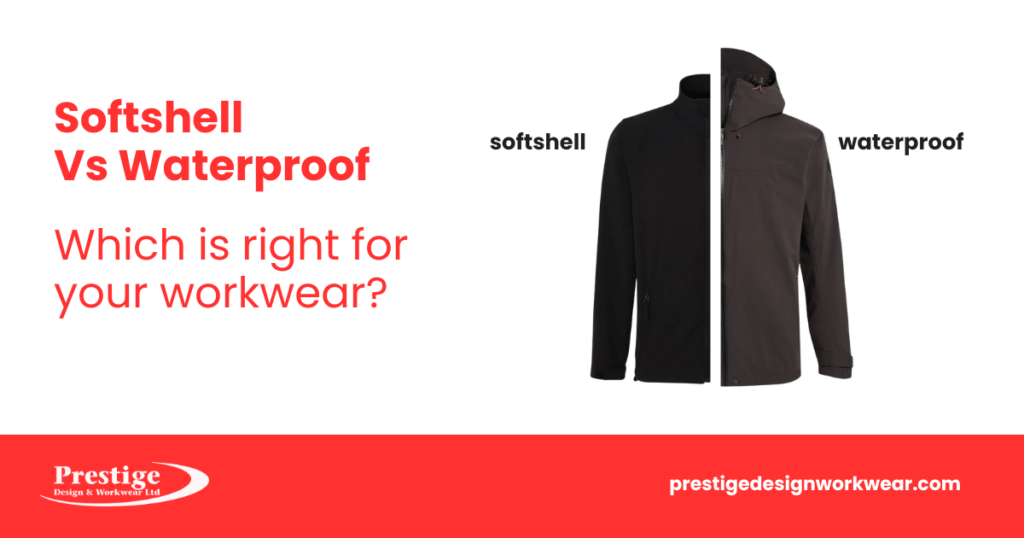
While they may look similar at first glance, they are designed for very different purposes.
Selecting the wrong one can result in discomfort, reduced durability and unnecessary expense.
If you’re sourcing branded outerwear for teams working across Bedfordshire, Hertfordshire or Buckinghamshire, this guide explains exactly which option suits your environment.
Why the Right Outer Layer Matters
Outerwear isn’t just about staying dry.
It affects:
- Comfort throughout the working day
- Breathability during physical activity
- Protection against wind and rain
- Layering flexibility
- Professional team appearance
In industries such as construction, utilities, landscaping and facilities management, choosing the correct jacket can directly impact productivity.
What Is a Softshell Jacket?
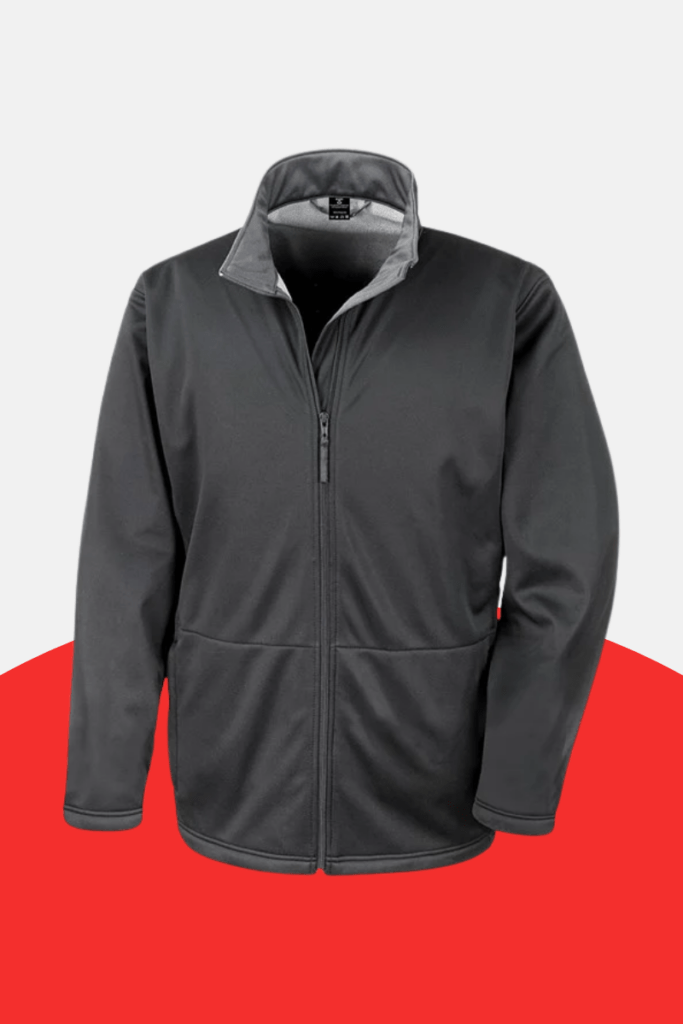
A softshell jacket is designed primarily for:
- Wind resistance
- Breathability
- Flexibility
- Everyday comfort
Softshell jackets are typically made from stretch woven fabric with a soft inner lining.
They are not fully waterproof, but they offer light water resistance.
Why Softshell Jackets Are So Popular
Softshell jackets are one of the most chosen workwear outer layers because they:
- Are lightweight and flexible
- Allow freedom of movement
- Provide wind resistance
- Are breathable during physical activity
- Look modern and professional
- Are excellent for embroidery
For trade teams across Bedford, Milton Keynes and Luton, softshell jackets are often the “go to” daily jacket.
When Softshell Jackets Work Best
Softshell jackets are ideal for:
- Engineers and installers
- Warehouse staff
- Site managers
- Maintenance teams
- Landscaping professionals
- Spring and autumn conditions
They are particularly suitable when:
- Rain exposure is limited
- Activity levels are high
- Breathability is important
What Is a Waterproof Jacket?
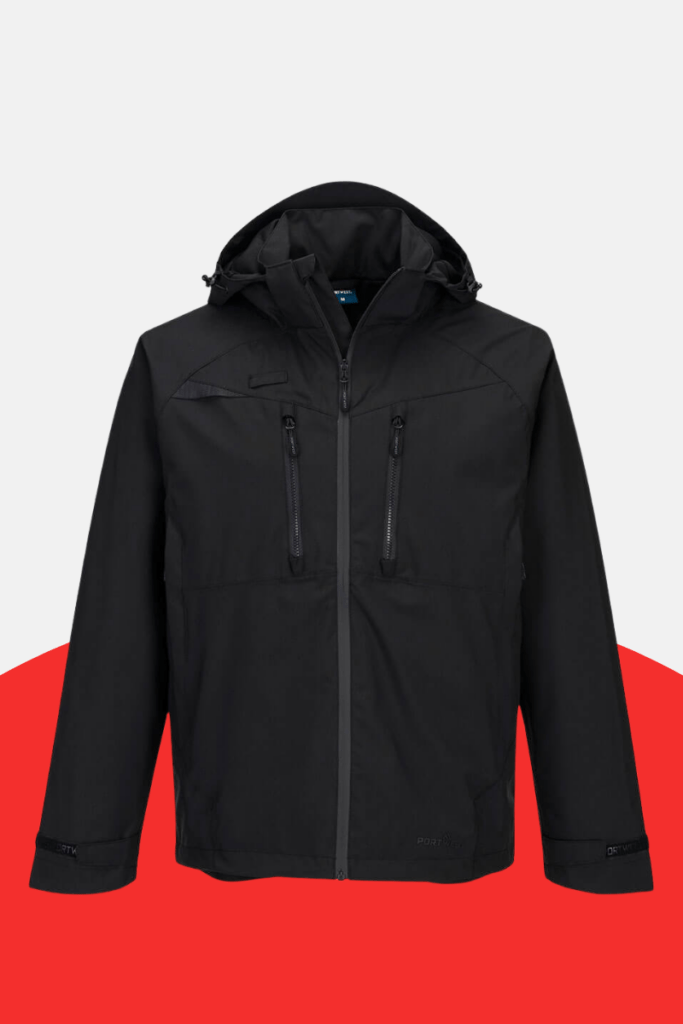
Waterproof jackets are designed specifically to provide protection from heavy rain.
They typically include:
- Waterproof membranes
- Taped seams
- Fully sealed outer layers
- Storm flaps and protective zips
Unlike softshell jackets, waterproof jackets prioritise weather protection over stretch flexibility.
Why Waterproof Jackets Are Essential in UK Conditions
Given the unpredictable nature of British weather, waterproof jackets are often necessary for:
- Outdoor construction
- Highway works
- Utility repairs
- Infrastructure projects
- Agricultural work
Across Bedfordshire and surrounding counties, winter rainfall can be persistent making full waterproof protection essential for certain roles.
When Waterproof Jackets Are the Better Choice
Waterproof jackets are recommended when:
- Workers are exposed to prolonged rain
- Site conditions are muddy or wet
- Winter weather is severe
- Compliance requirements specify waterproof outerwear
They are particularly important for construction teams working year-round.
Breathability vs Waterproofing: The Key Difference
The biggest difference between softshell and waterproof jackets is breathability.
Softshell:
- Highly breathable
- Comfortable during movement
- Better temperature regulation
Waterproof:
- Superior rain protection
- Less breathable
- Designed for harsh conditions
If your team sweats heavily during physical activity, softshell may feel more comfortable unless heavy rain is unavoidable.
Can You Combine Both?
Yes, many businesses do.
A common approach for trade teams is:
- Softshell jacket for daily wear
- Waterproof jacket for heavy rain
- Layered system in winter
This provides flexibility and cost efficiency.
Branding Considerations
Both softshell and waterproof jackets can be branded professionally.
However:
- Softshell jackets are ideal for embroidery
- Waterproof jackets may require specific application methods
Correct placement ensures durability and maintains garment integrity.
Choosing Based on Industry
Construction
Often requires waterproof outerwear for winter.
Engineers & Installers
Often prefer softshell for flexibility.
Corporate & Site Management
Softshell provides professional appearance.
Utilities & Highways
Waterproof jackets often essential.
Outerwear Across Bedfordshire, Hertfordshire & Buckinghamshire
We supply softshell and waterproof workwear jackets across:
- Bedford
- Luton
- Milton Keynes
- Hemel Hempstead
- St Albans
- Aylesbury
With collection available from Barton and Flitwick.
Choosing the right jacket ensures your team stays comfortable, compliant and professional in all weather conditions.
Frequently Asked Questions
Is a softshell jacket waterproof?
No, it is water resistant but not fully waterproof.
Can waterproof jackets be embroidered?
Yes, depending on garment type and construction.
Should construction teams choose waterproof over softshell?
Often yes for winter and exposed sites.
Are softshell jackets suitable year-round?
Yes, especially in spring and autumn.
Final Thoughts
There isn’t one “better” option only the right option for your working conditions.
Softshell jackets prioritise flexibility and comfort.
Waterproof jackets prioritise protection against heavy rain.
Understanding the difference allows you to make a smart, long-term uniform investment.