
Choosing the Right Workwear Fabric: A Buyer’s Guide
Two work polos can look identical on a screen and feel completely different on the job. The difference is usually the fabric, and getting it right is the quiet decision that makes workwear comfortable, hard-wearing and fit for the task. Here’s a plain-English run-through of the main ones.
Polycotton: The All-Rounder
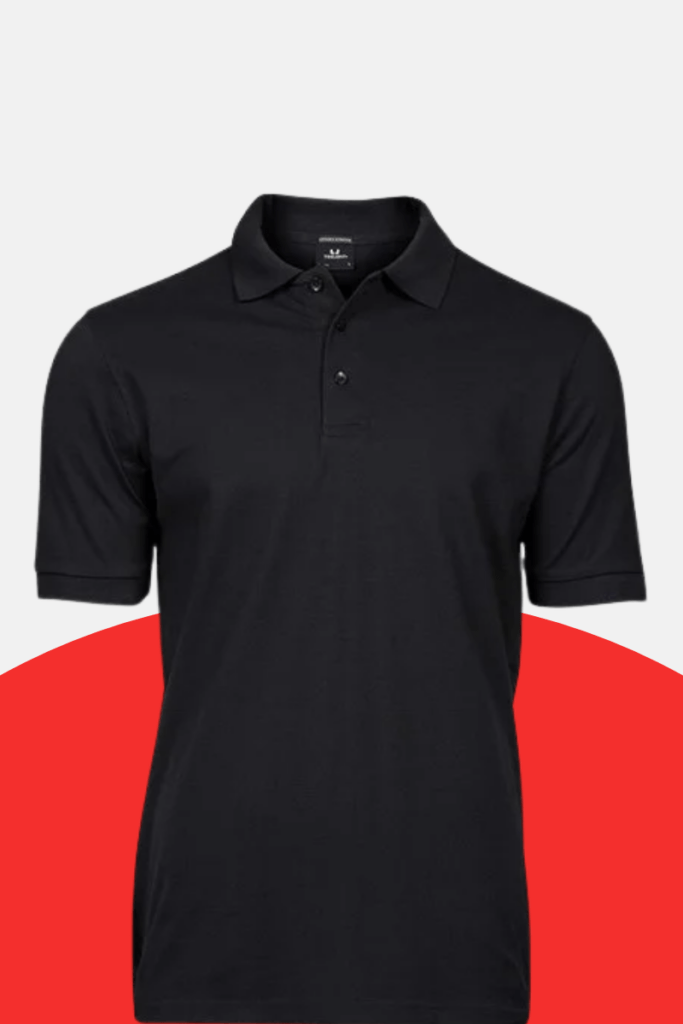
A blend of polyester and cotton, polycotton is the workhorse fabric, comfortable like cotton, tougher and less prone to shrinking thanks to the polyester. It’s a sensible default for polos, shirts and everyday workwear.
Polyester & Performance Fabrics
Pure polyester and performance blends wick moisture and dry quickly, which suits active, outdoor or warmer-weather work. They keep sweat off the skin and hold their shape well, the reason most sports and performance kit uses them.
Ripstop & Heavy-Duty Fabrics
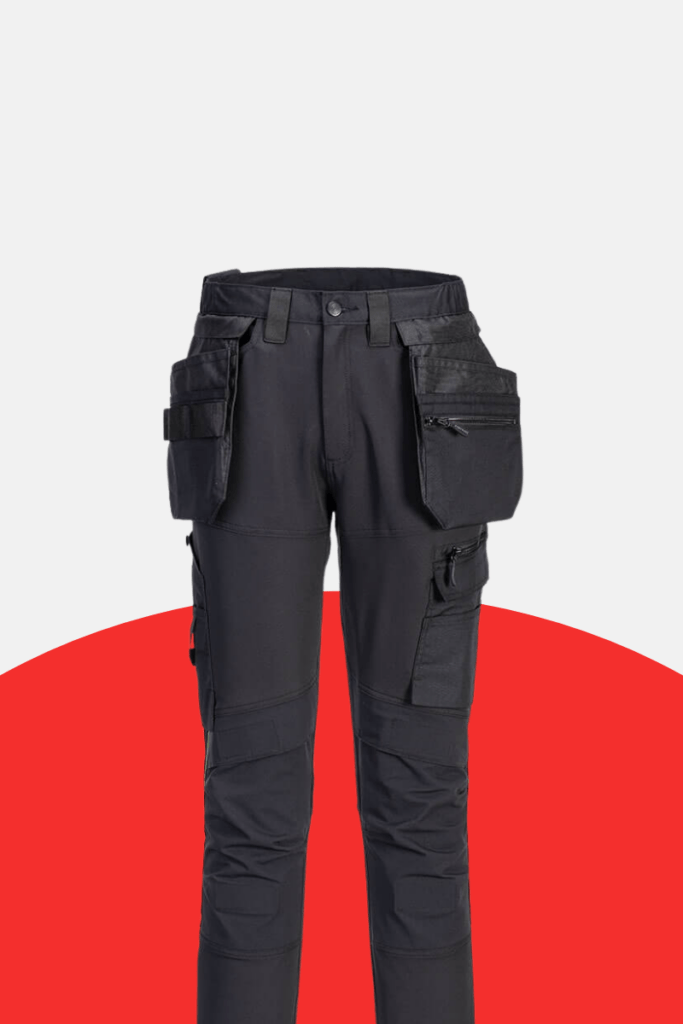
For trades that are hard on their kit, ripstop and heavier canvas-style fabrics resist tears and abrasion. They’re the right call for trousers and jackets that take a daily beating on site.
Softshell & Fleece
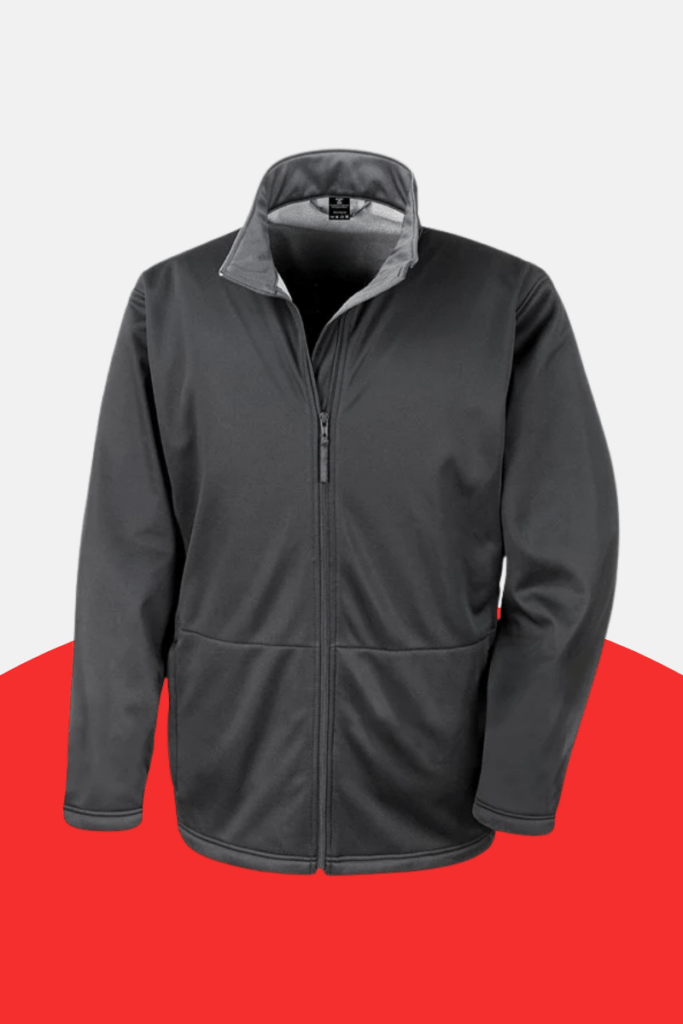
These are about warmth and weather rather than the base garment. Softshell is breathable, stretchy and wind-resistant for outer layers; fleece is a lightweight, warm mid-layer. Both come into their own from autumn onwards.
Match the Fabric to the Job
There’s no single best fabric, only the right one for the work. Customer-facing staff want smart and comfortable; active outdoor workers want breathable and quick-drying; heavy trades want tough and tear-resistant. If you tell us what the team actually does, we’ll steer you to the right cloth.
A Word on Branding
Fabric affects branding too. Embroidery sits beautifully on polycotton and softshell; print works across most fabrics for larger designs. We’ll match the method to the garment so it lasts.
Workwear Advice Across Bedfordshire
We help businesses across Bedford, Luton, Dunstable and beyond choose the right workwear for the job, with collection from Barton and Flitwick.
Frequently Asked Questions
What's the most hard-wearing workwear fabric?
For toughness, ripstop and heavier canvas-style fabrics resist tears and abrasion best, ideal for trousers and jackets on demanding sites.
What fabric is best for hot or active work?
Polyester and performance blends, which wick moisture and dry quickly to keep workers cool and comfortable.
Does fabric affect how a logo is applied?
Yes, embroidery suits polycotton and softshell, while print works across most fabrics for larger designs. We match the method to the garment.
Final Thoughts
The right fabric is what separates workwear that lasts from workwear that disappoints. Think about the job first, and the choice usually follows. Our team in Barton and Flitwick is always happy to talk it through.