
The 3-Layer System for Autumn & Winter Site
The best cold-weather workwear isn’t the thickest coat on the rack, it’s a system. The three-layer approach lets a team adjust through the day, stay dry from the inside as well as the outside, and stay comfortable whether they’re grafting or standing still. Here’s how it works.
Why Layering Beats One Heavy Coat
A single heavy jacket is too warm the moment you start working and useless the moment you stop. Layers let a worker add and shed as the day and the effort change, which keeps them comfortable and, importantly, dry from sweat as well as rain.
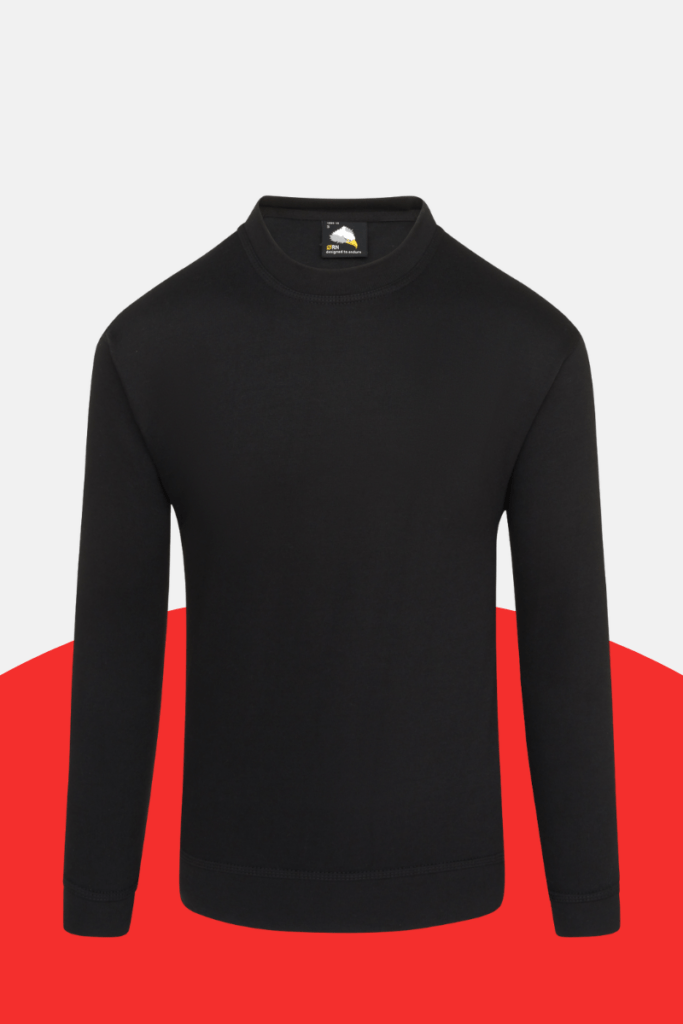
Layer 1: The Base Layer
Next to the skin, a thermal base layer holds in warmth and wicks moisture away, so sweat doesn’t cool and chill you. It’s the quiet foundation the whole system relies on.
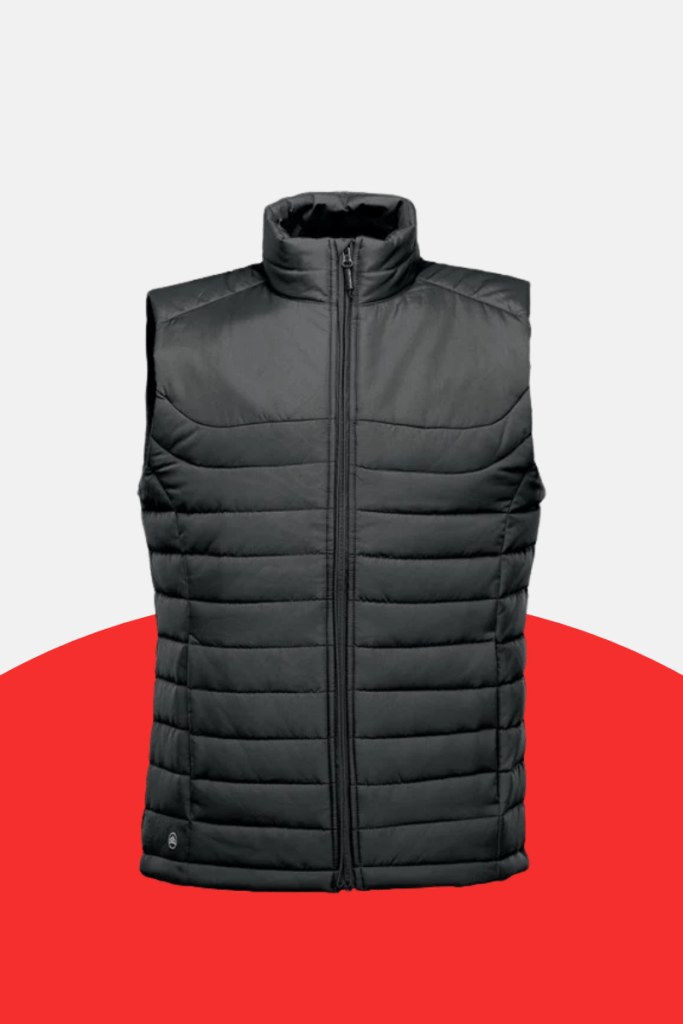
Layer 2: The Mid-Layer
A fleece, bodywarmer or softshell traps warm air and does most of the insulating. This is the layer workers add and remove most often through the day, so easy on-off matters.
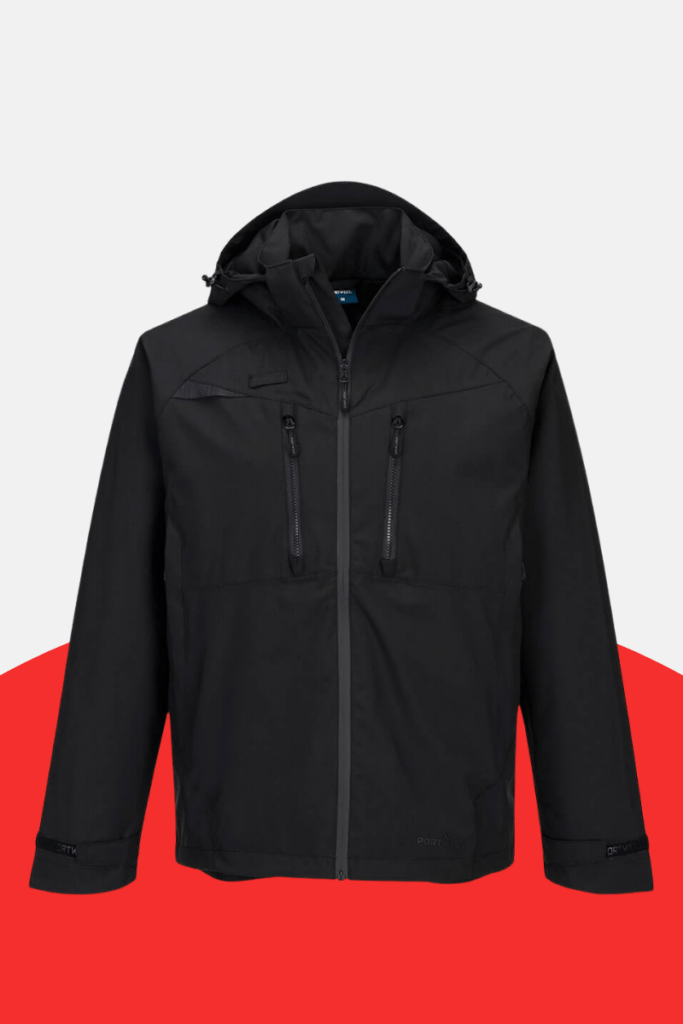
Layer 3: The Waterproof Outer
On top, a waterproof shell keeps rain and wind out while letting moisture escape. It doesn’t need to be heavy, its job is weather protection, with warmth coming from the layers beneath.
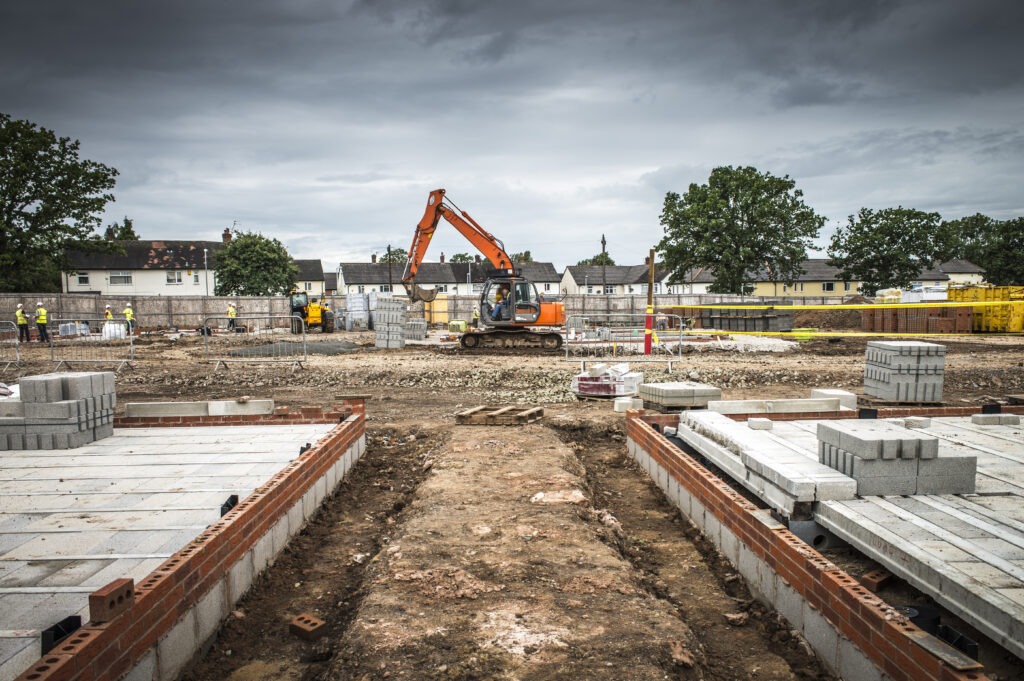
Making It Work on Site
The trick is flexibility: start layered up on a cold morning, shed the mid-layer during heavy work, add it back at breaks. Done well, the system also spreads wear across garments, so nothing wears out as fast.
Don't Forget Visibility
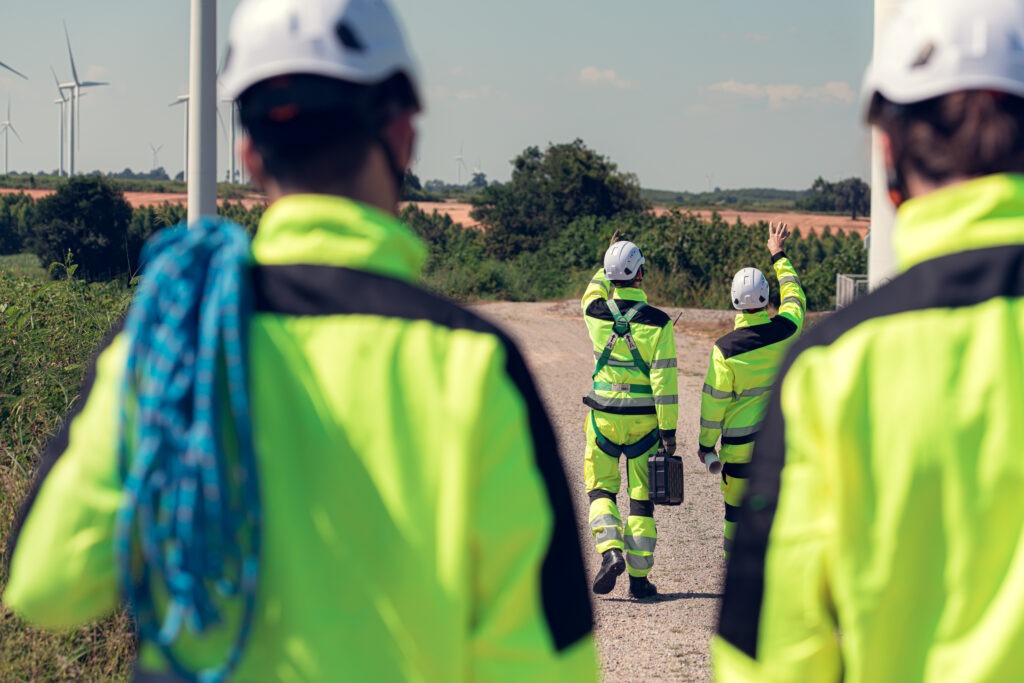
If the work needs hi-vis, make sure it’s the visible layer, a hi-vis softshell or waterproof, rather than something buried under a coat. That keeps warmth and compliance working together.
Layering Kit Across Bedfordshire
We supply base layers, mid-layers and waterproofs to trade and site teams across Bedford, Luton, Dunstable and beyond, with collection from Barton and Flitwick.
Frequently Asked Questions
Why is layering better than a single warm coat?
Layers let workers adjust to changing effort and weather, and manage sweat as well as rain, a single heavy coat can’t do that.
What are the three layers?
A wicking thermal base layer, an insulating mid-layer (fleece, bodywarmer or softshell), and a waterproof outer shell for weather protection.
Where does hi-vis fit in the system?
Make hi-vis the outer visible layer, a hi-vis softshell or waterproof, so warmth and compliance work together.
Final Thoughts
Get the three-layer system in place and cold, wet weather becomes far more manageable for a team. Base, mid and outer, each doing its job. Our team in Barton and Flitwick can help you build the right setup for your work.