
Safety Footwear Ratings Explained: S1 to S7
Safety boots come with a string of codes, S1, S1P, S3, S7, and it’s not always obvious what they mean or which you need. Get it wrong and you either overpay for protection you don’t need or, worse, leave a team underprotected. Here’s the plain-English version.
What the Ratings Cover
Safety footwear is tested against the EN ISO 20345 standard. Every rating includes a protective toecap that withstands a 200-joule impact, that’s the baseline. The letters and numbers after the S tell you what extra protection you’re getting on top.
The Common Ratings
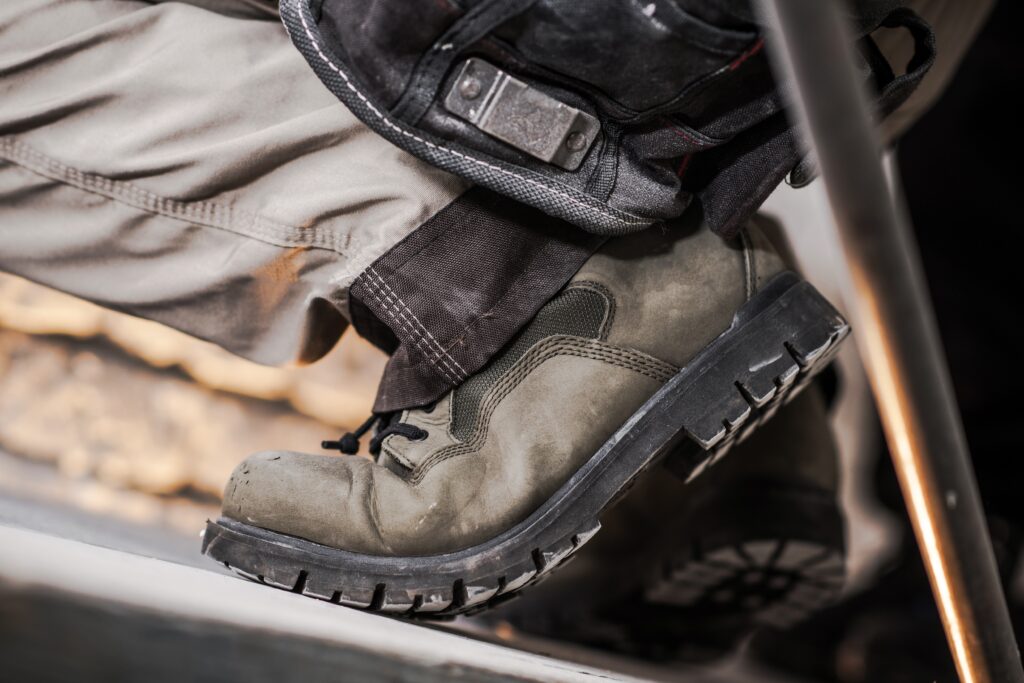
In simple terms: S1 gives you the toecap plus antistatic and energy-absorbing heel, for dry indoor environments. S1P adds a penetration-resistant midsole against sharp objects underfoot. S3 adds water resistance and a rugged, cleated outsole, the usual choice for outdoor and site work. Newer S6 and S7 ratings broadly mirror S2 and S3 but with modern penetration-resistant midsoles.
Which Rating Do You Need?
Match the boot to the environment. Dry indoor or workshop work is often fine with S1 or S1P. Outdoor, wet or muddy site work usually calls for S3 (or S7) for water resistance and grip. If there’s a risk of sharp objects underfoot, make sure you’ve got midsole protection.
Don't Overlook Slip Resistance and Comfort
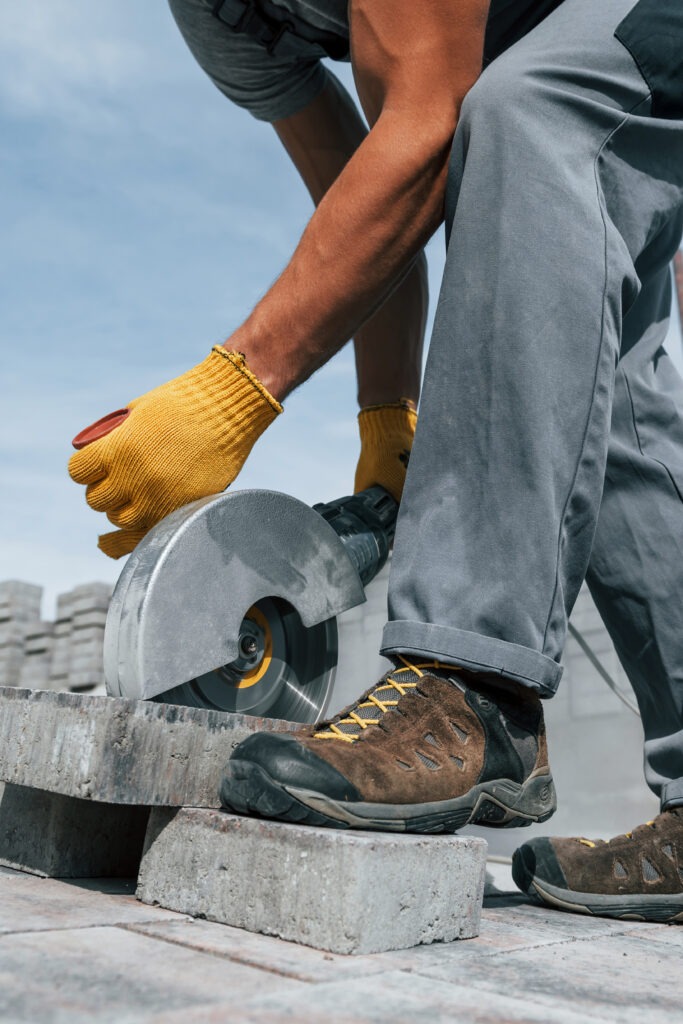
Beyond the rating, slip resistance matters as autumn brings wet and greasy surfaces, and comfort matters because uncomfortable boots don’t get worn properly. A boot that fits and grips is a boot that protects.

An Employer's Responsibility
Providing suitable footwear is part of an employer’s PPE duties, the HSE’s guidance on using the right type of PPE (HSE: Using the right type of PPE) is worth a look when you’re specifying footwear for a team.
Safety Footwear Across Bedfordshire
We supply safety boots and shoes across the ratings to trade and site teams around Bedford, Luton, Dunstable and beyond, with collection from Barton and Flitwick.
Frequently Asked Questions
What's the difference between S1P and S3?
Both have a toecap and penetration-resistant midsole, but S3 adds water resistance and a rugged cleated outsole, better for outdoor, wet and muddy work.
What rating is best for outdoor site work?
S3 (or the newer S7) is the usual choice, thanks to water resistance, midsole protection and a grippy, durable outsole.
Do all safety boots have a protective toecap?
Yes, every S-rated boot to EN ISO 20345 includes a toecap tested to a 200-joule impact. The rating tells you what extra protection is added.
Final Thoughts
Once you know what the ratings mean, choosing footwear is straightforward: match the protection to the environment and don’t skimp on fit and grip. Our team in Barton and Flitwick can help you pick the right boots for the job.