
Autumn Hi-Vis: Staying Seen as the Days Draw In
The clocks going back is the moment site visibility quietly gets more serious. Suddenly teams are starting and finishing in half-light, and the hi-vis that felt optional in July becomes essential. Autumn is the time to check yours is up to the job.
Why Visibility Matters More in Autumn
Shorter days mean more work happens in poor light, dawn, dusk, gloom and early darkness. Add autumn fog and rain, and being clearly seen becomes a real safety issue around traffic, plant and moving vehicles.
The HSE’s guidance on high-visibility clothing (HSE: High visibility clothing) is a useful reference on choosing the right garments for the conditions.
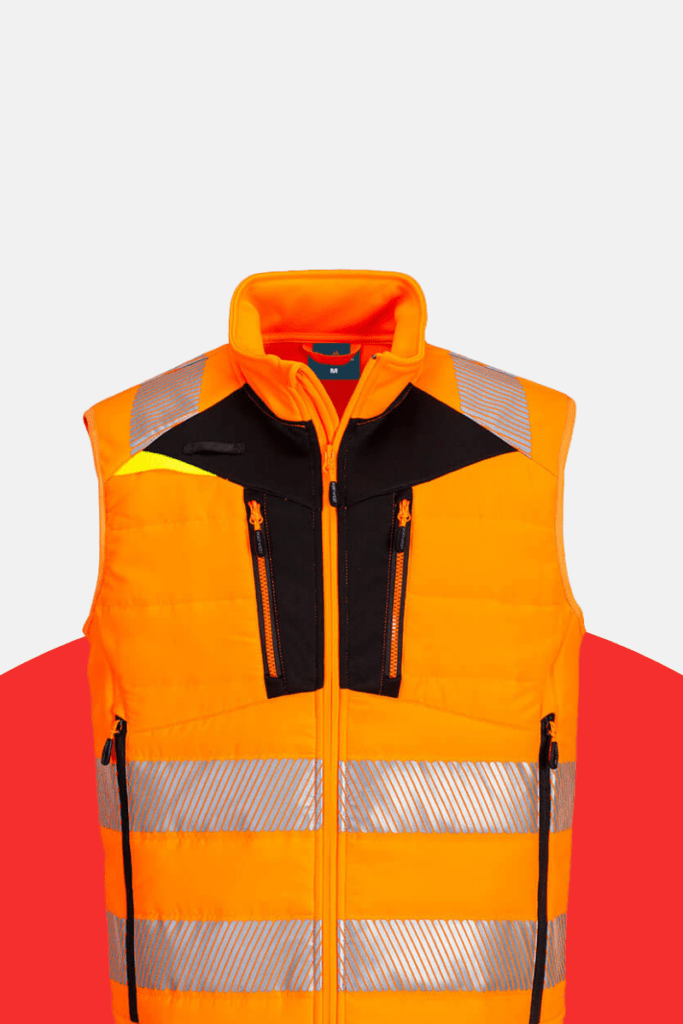
Getting the Compliance Right
Hi-vis garments are graded under EN ISO 20471 into Class 1, 2 and 3, depending on how much fluorescent and reflective material they carry and the level of risk. Faster traffic and lower light generally call for a higher class. It’s worth checking your team’s garments meet the class the job actually needs.
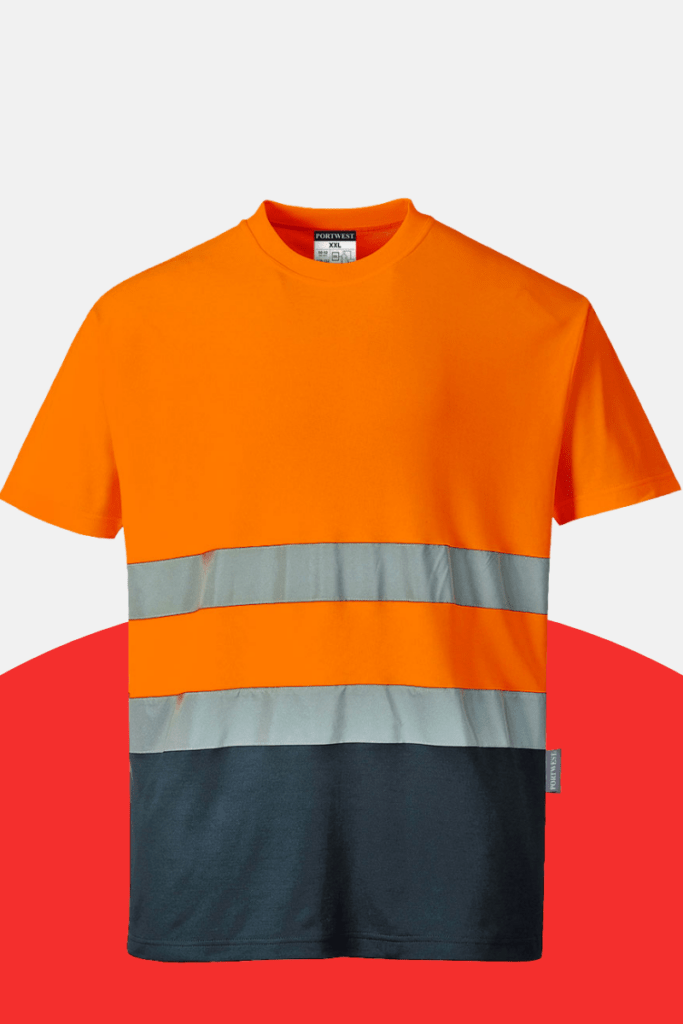
Check the Condition of Existing Kit
Hi-vis doesn’t last forever. Faded fluorescent fabric and worn, cracked reflective tape lose their effectiveness, a jacket that’s been washed all summer may not perform like it should. Autumn is a good prompt to inspect and replace anything past its best.
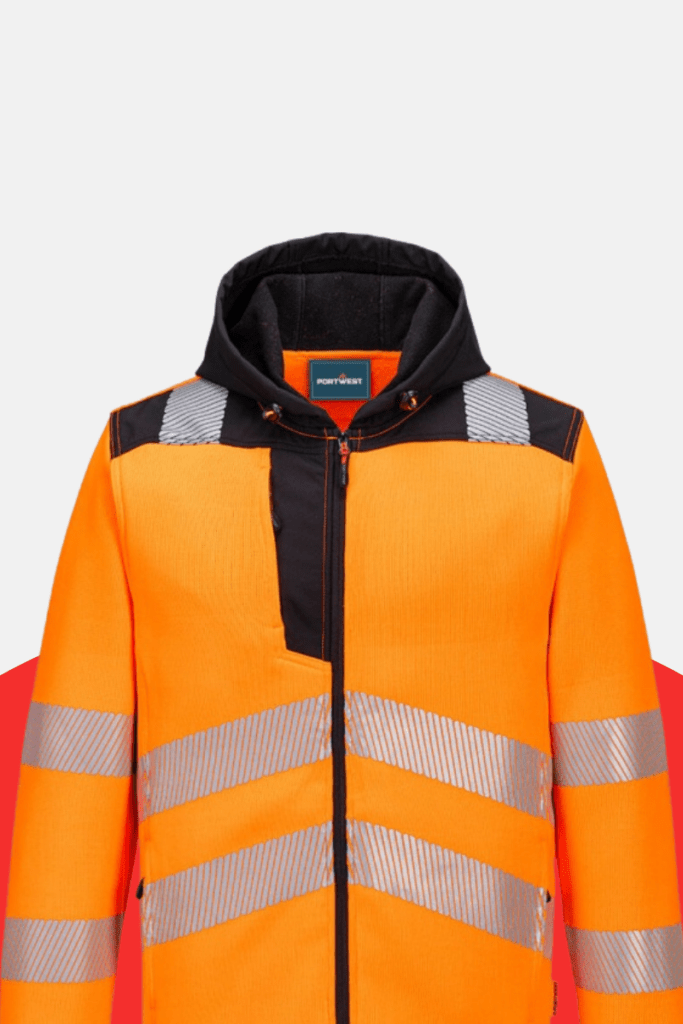
Warmth and Visibility Together
As it cools, you want hi-vis that also keeps the team warm. Hi-vis softshells, fleeces and bodywarmers give you compliance and comfort in one, so nobody’s tempted to cover their hi-vis with a non-compliant coat.
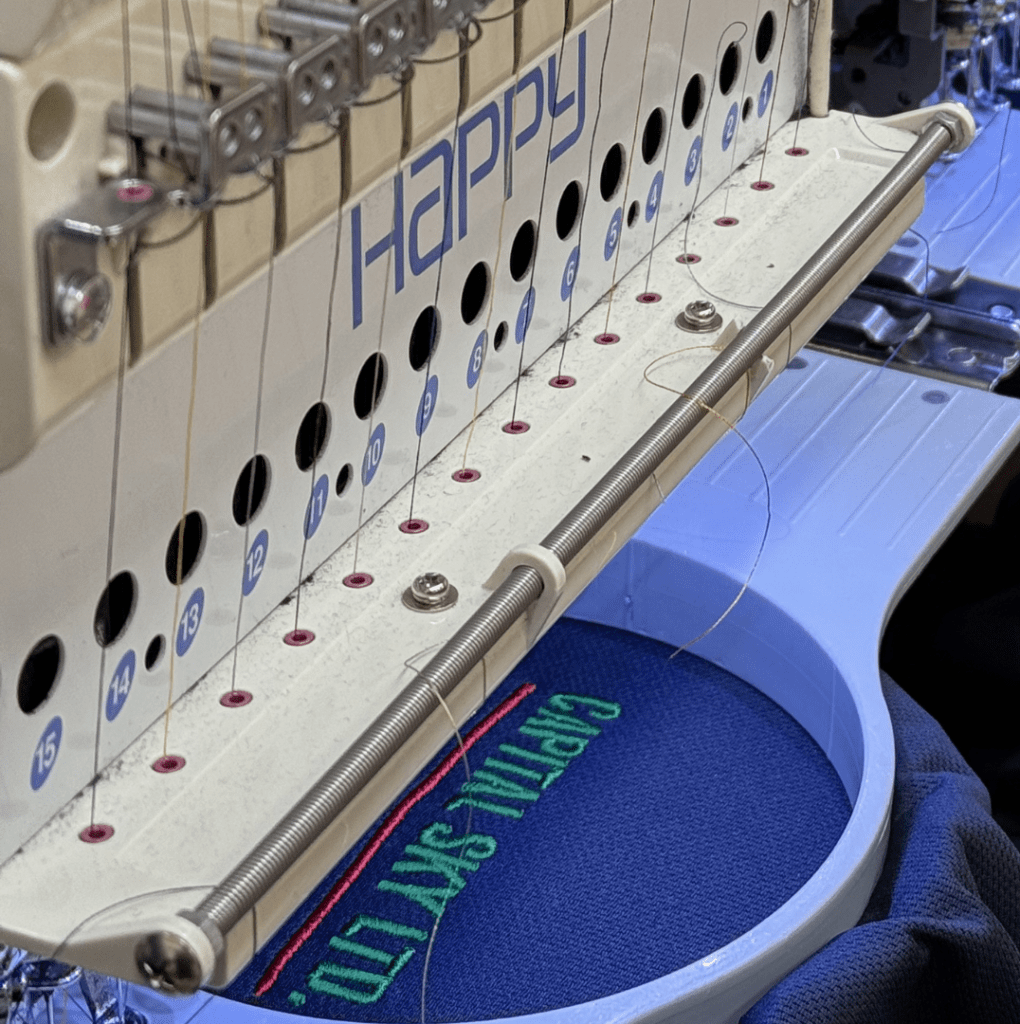
Branding Hi-Vis Correctly
Hi-vis can be branded without affecting compliance, as long as logos are placed away from the reflective bands and within the rules. Done right, your team stays visible, compliant and clearly identifiable.

Autumn Hi-Vis Across Bedfordshire
We supply compliant, warm hi-vis to site, highways and groundworks teams across Bedford, Luton, Dunstable and the wider county, with collection from Barton and Flitwick.
Frequently Asked Questions
Does hi-vis clothing expire?
Effectively, yes, faded fabric and worn reflective tape lose their performance over time. Inspect garments regularly and replace anything past its best.
What class of hi-vis do I need?
It depends on the risk and traffic speed. Higher-risk, faster-traffic and low-light environments generally call for a higher EN ISO 20471 class.
Can I keep warm without covering my hi-vis?
Yes, hi-vis softshells, fleeces and bodywarmers keep you warm while staying compliant, so there’s no need to cover it with a non-compliant coat.
Final Thoughts
As the light drops, hi-vis moves from nice-to-have to essential. Check the class, check the condition, and choose warm hi-vis so nobody’s tempted to cover it. Our team in Barton and Flitwick can help you get autumn visibility right.